Dates have limits
A nearby storm report is context. It is not proof that a particular address was damaged, and an inspection cannot date every mark.
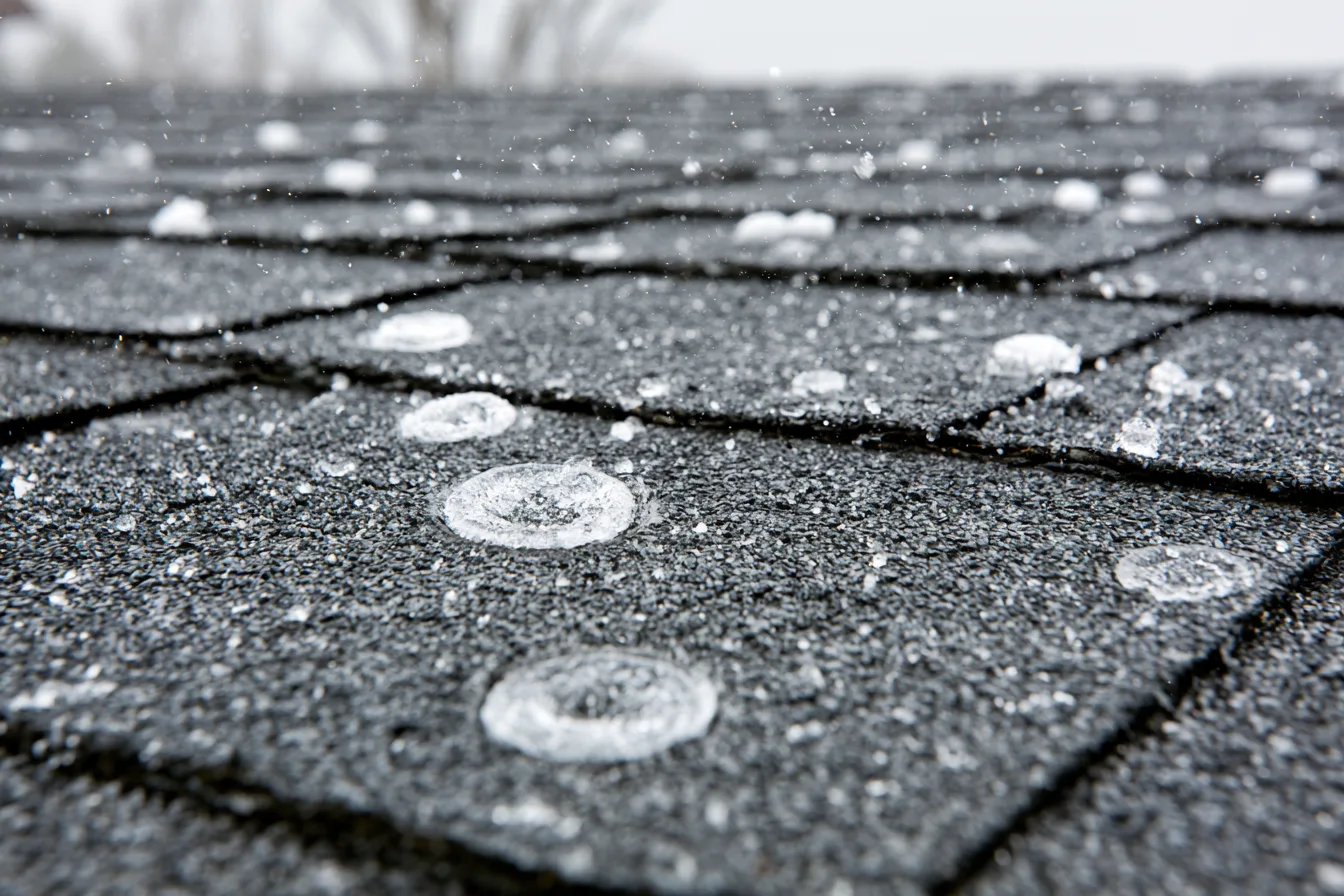
Roof damage, deductibles and claim-payment stages explained for Arkansas property owners.
The roof inspection examines the property. The insurer examines the policy and claim. A useful roofing scope and an approved insurance payment are related, but one does not guarantee the other.
Start with safe protection and timely insurer contact under your policy. Keep the available damage records and receipts. Do not delay necessary safety measures while trying to settle every part of the claim.
Stay away from unstable ceilings, downed lines and damaged roof sections. Safe temporary mitigation and documentation help protect the property; do not climb the roof yourself.
Report the loss under the policy’s process and time requirements. Share what you know and avoid guessing at dates or causes.
The roof findings help identify repairs. The insurer decides covered damage and payment. Differences or additional damage need to be addressed through the appropriate claim process.
The roofing agreement defines the project, price and responsibility for changes. Insurance proceeds do not replace that agreement.
A roof can need work even when there is no covered claim. Wear, installation defects and maintenance issues are not the same as a covered storm event. Likewise, evidence of damage does not automatically mean every roof slope needs replacement.
Official post-storm information is available from the Arkansas Insurance Department. The policy and insurer control coverage; this guide is general information, not claim representation.
A nearby storm report is context. It is not proof that a particular address was damaged, and an inspection cannot date every mark.
The condition and repairability determine the useful roofing scope. See storm damage roofing help for the physical differences between wind and hail damage.