Preparation can dominate the budget
The amount of cleaning, rust treatment, wet-area removal and detail repair can change the economics more than the open roof area.
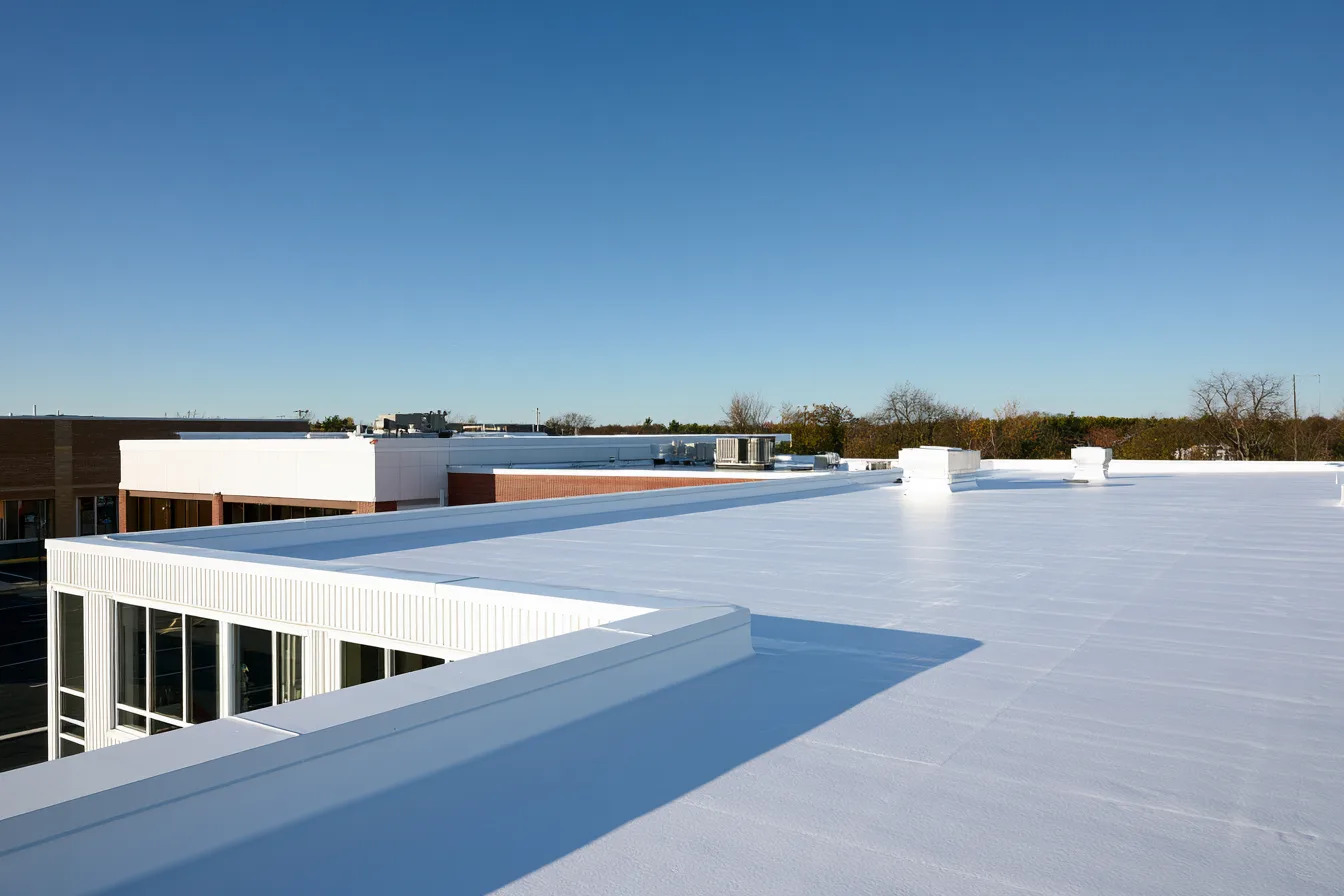
Roof coating and restoration questions for Gentry buildings. Start with substrate condition, moisture and drainage.
A roof coating creates a renewed weather surface over a suitable existing roof. It relies on the material underneath. Loose roofing, wet insulation and damaged decking cannot be turned into a sound assembly by covering them.
Restoration is worth examining when enough of the existing roof can stay in service and the selected coating can bond to it. The project needs a defined preparation and repair scope before a savings comparison means much.
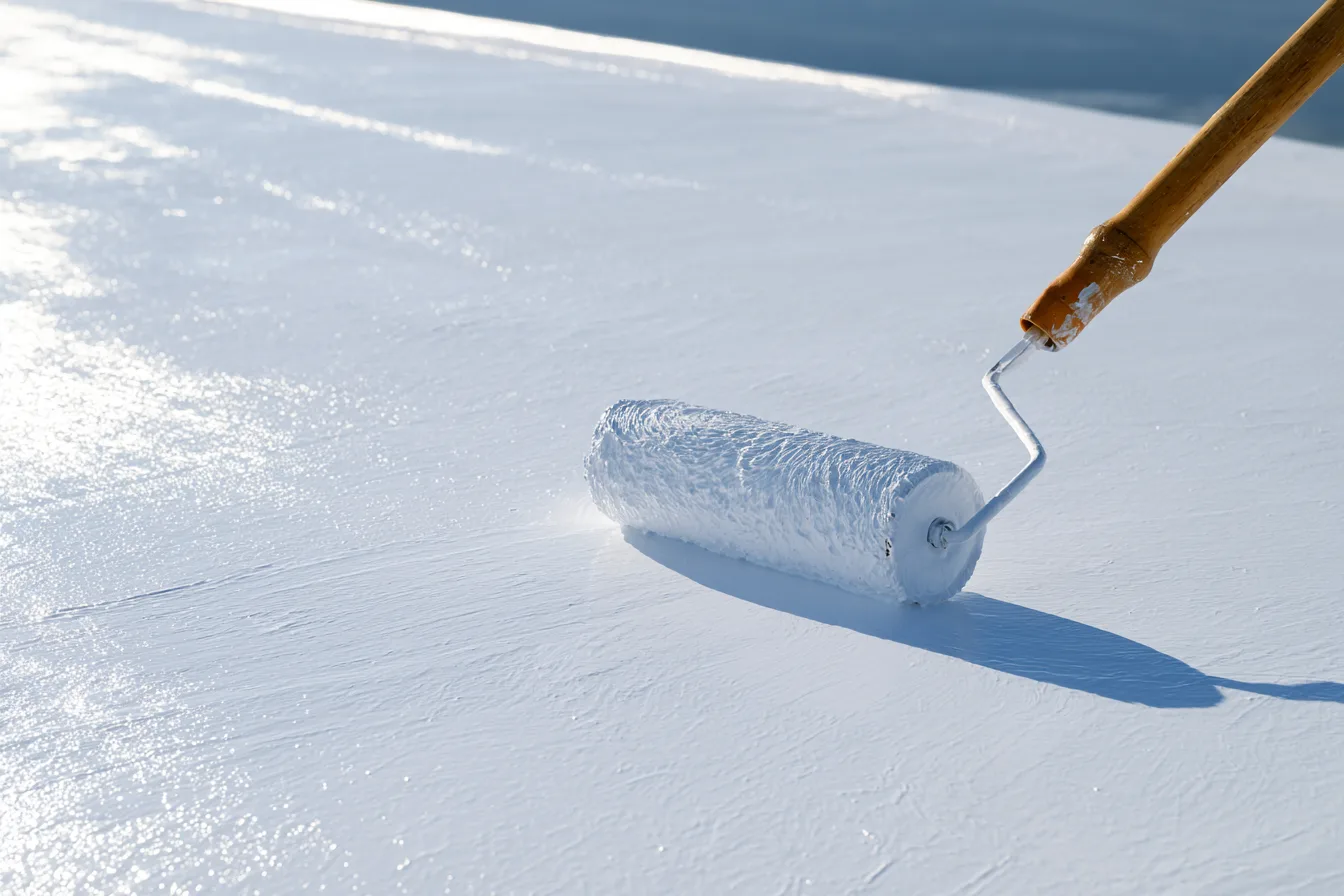
The existing material, attachment and moisture condition guide suitability. The evaluation needs to establish where the assembly is sound and where wet or unsound material must be removed.
Unsound areas are repaired, the surface is cleaned and the specified adhesion or primer work is addressed. Seams, penetrations and edges receive the required preparation.
Coverage and thickness must meet the selected system requirements. Weather, drying or curing conditions and follow-up maintenance affect the work plan.
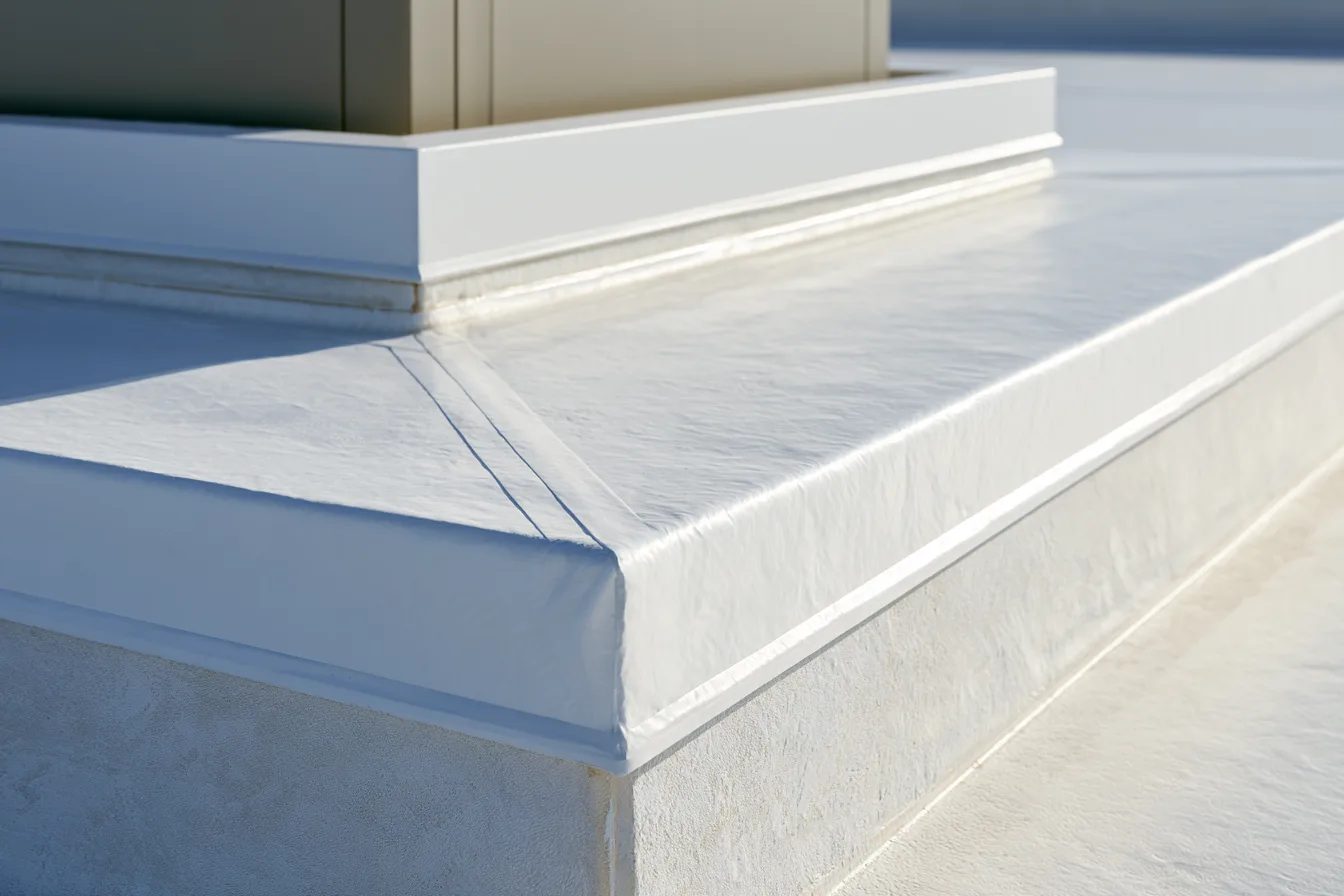
A uniform finish can hide how much work occurred at a seam or edge. Those connections are part of the system, not small extras to postpone until after application.
Where the leak is isolated and the rest of the roof is sound, a flat-roof repair may address the need without coating the entire surface. Where the assembly is failing, replacement needs to be considered alongside restoration.
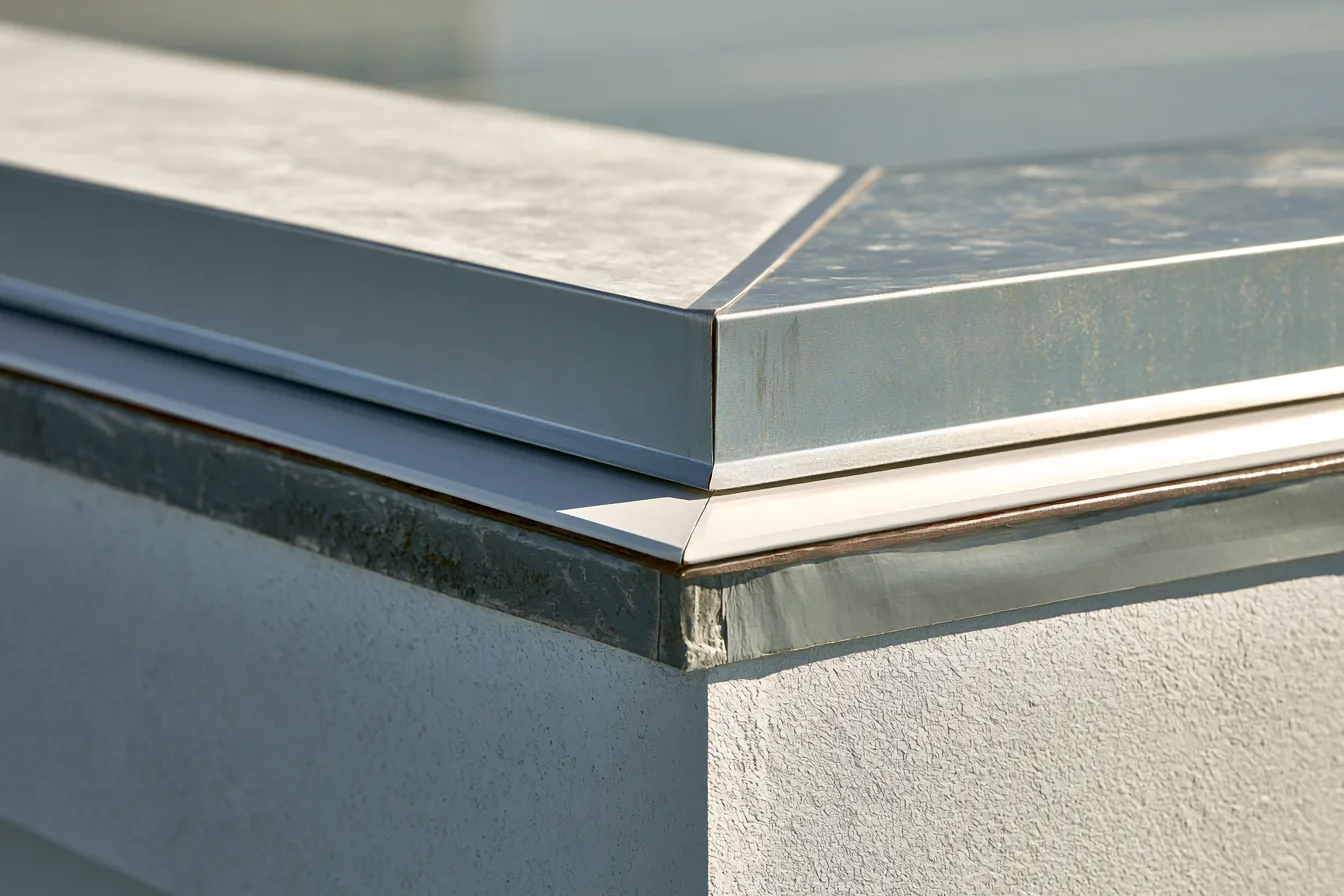
At a moving seam, preparation can include removing failed earlier repair material and installing the specified reinforcement before the field coating is applied. At a roof edge, the termination still has to hold and shed water. Brushing another coat over either failure leaves the movement or loose connection beneath the finish.
No fixed percentage saving or extra service life applies to every roof.
The amount of cleaning, rust treatment, wet-area removal and detail repair can change the economics more than the open roof area.
Silicone, acrylic and other systems have different application requirements. Selection belongs to the actual substrate, drainage and manufacturer specification.
Drainage paths and vulnerable details still need attention. Warranty length, renewal options and maintenance conditions come from the specific offered system.
Share the building use and what has changed on the roof. Request a free inspection to discuss whether repair, restoration or replacement fits.